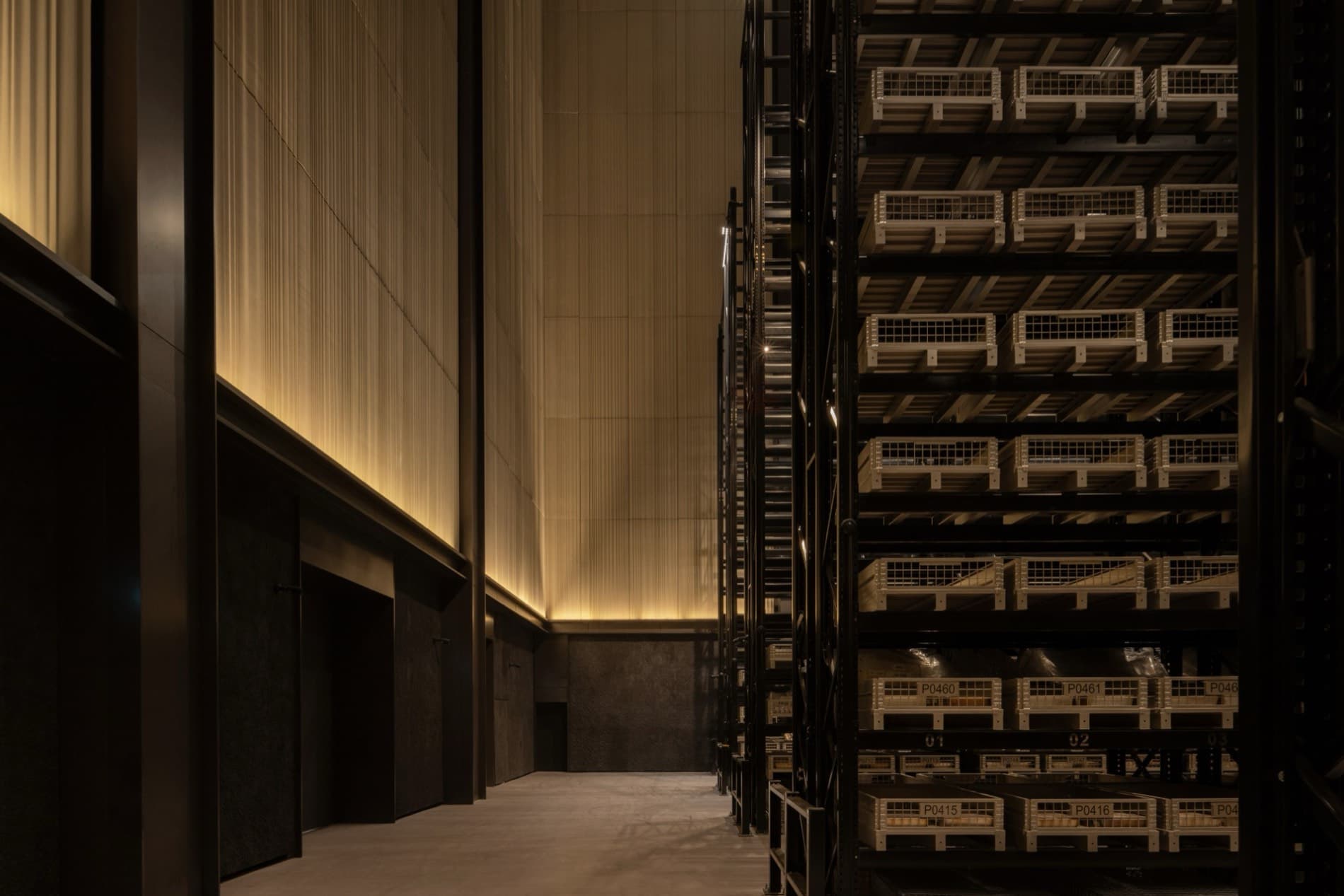
Parcel-level proof of reserve and encumbrance
Where it is.That it’s genuine.That it’s not already pledged.
Every parcel’s location, testing and encumbrance, recorded by the vault that holds it and anchored to a public blockchain.
Over 1,300 parcel records available to explore.
Parcel record
Silver parcel, 15.55 kg
- Parcel ID
- SB20001671
- Custodian
- Silver Bullion Pte Ltd
- Location
- The Safe House, Singapore
- Tested
- Locke Verify™
- Encumbrance
- None
Live record, read 9 Oct 2026
What is Locke Ledger?
Built by the people who vault the bullion.
Locke Ledger™ is Silver Bullion Group’s third-generation parcel-level proof-of-reserve system, built on bullion tracking systems developed since 2011.
The Group operates The Safe House vault in Singapore. Locke Ledger™ brings together each bullion parcel’s identity, recorded custody and history, allowing viewers to inspect the record behind the physical metal.
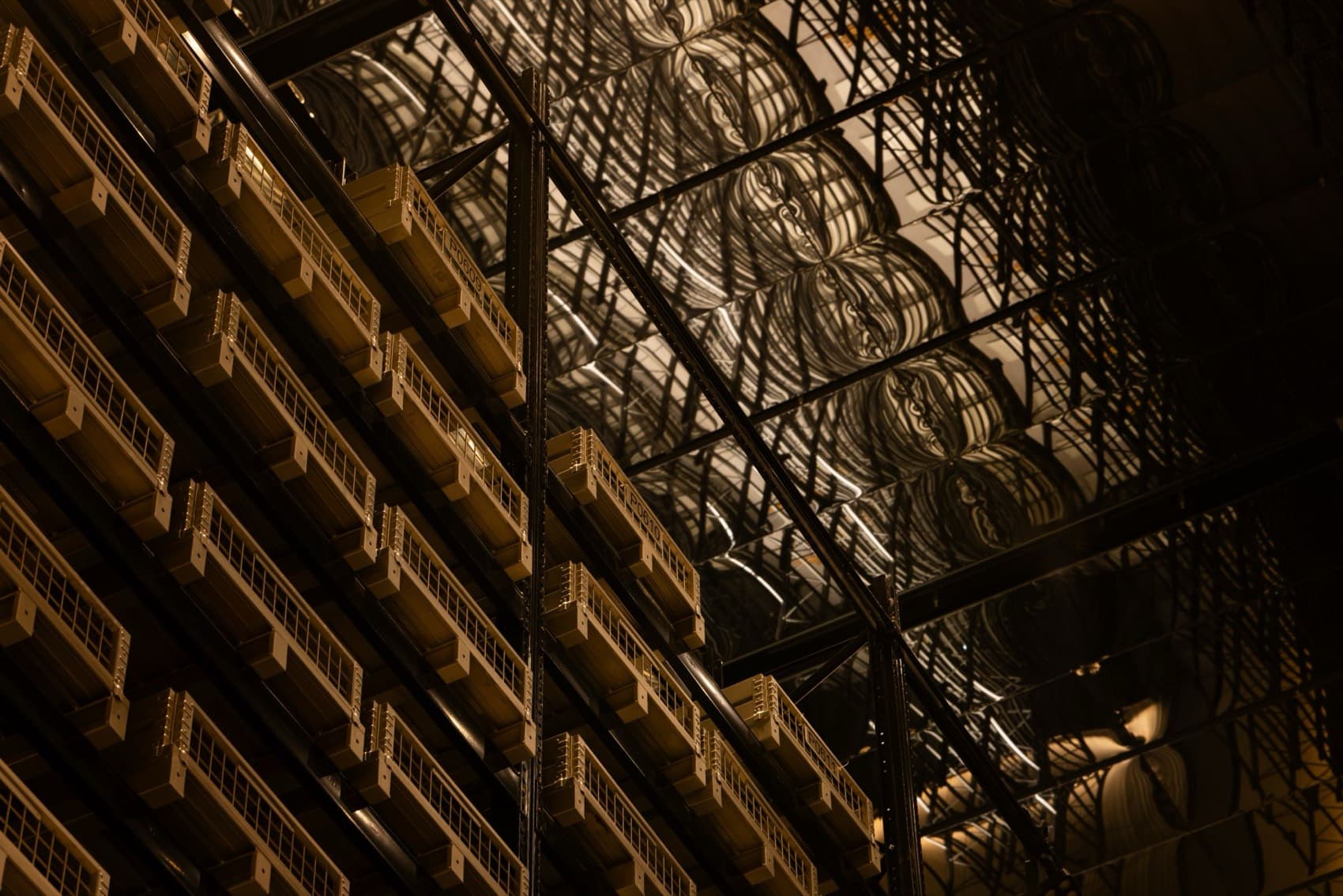
The evidence
See what sits behind the record.
A parcel is one identified lot of metal — here, five 100oz silver bars held as a single unit. This is its real record, live in the ledger.
The whole record.
Built entirely from the vault’s own operations. Start here, then choose any part to look closer at what answers each question.
Parcels
5x100t oz JM bars-SB20001671|ID: SB20001671
LOCKED (GSA)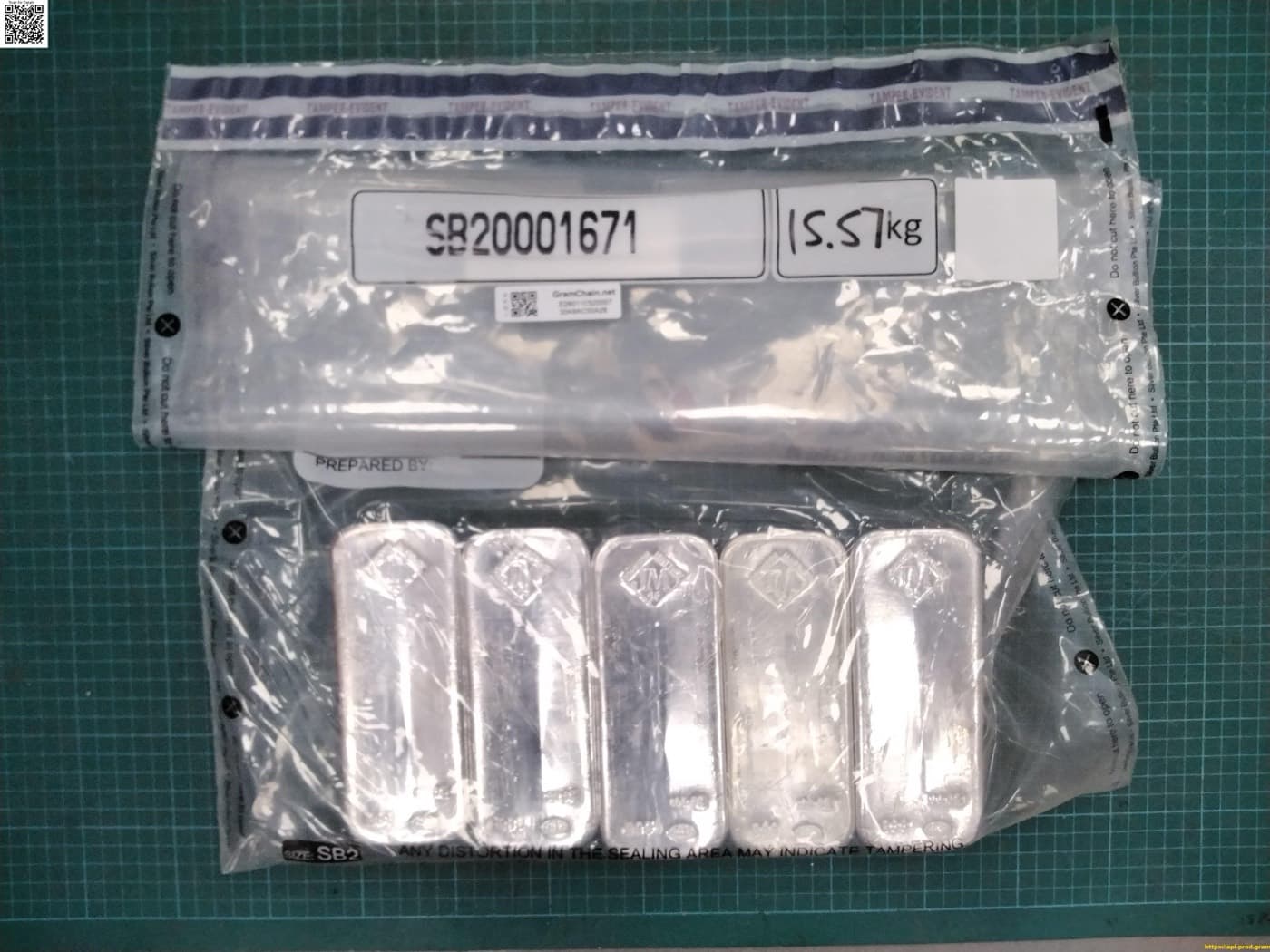
Asset Specs
- SILVER REFINER
- Johnson Matthey(JM)
- SILVER CONTENT
- 15,551.75 grams
- 499.50 tOz
- VALUATION
- USD 30,466.49
- 5 × 3,107.24 g × 1.961 USD (USD 6,093.3 each)
Custodian & Use
- CUSTODIAN
- Silver Bullion Pte Ltd(SilverB)
- UTILIZATION
- Locked - GSA(Locked)
- VAULT
- The Safe House(TSH_SIN1)
- Singapore
Selected Event
3 of 3Utilization Lock: 25 Sept 2026 17:49:34 SGT
Parcel is used by Custodian. It must be unlocked for release
- OPERATOR
- Silver Bullion Pte Ltd
- PROVIDER
- Silver Bullion Pte Ltd
Blockchain & Audit Trail
- CHAIN
- Ethereum
- STATUS
- Pending confirmation
- EVENT HASH
- 0x63ae3b…e41f
Why we built Locke Ledger
Bullion has value. Usable evidence makes the difference.
For an institution assessing bullion as collateral, a warehouse receipt or periodic audit alone may not show its current custody and recorded commitments.
As a bullion custodian, Silver Bullion has developed tracking systems since 2011 to account for the metal in its care. These systems support our vault operations, S.T.A.R. Grams and bullion-backed loan programme.
Locke Ledger™ builds on that operational experience to give clients and institutions clearer records they can inspect and use in their assessments.
Before bullion can be assessed as collateral, three questions need answers:
Where is it? Is it genuine? Is it already pledged?
- VAULT
Where is it?
Physical location, storage provider and insurer, with timestamped RFID scans from the vault’s own equipment.
Location is asserted by scan, not by letter.
- ASSET
Is it genuine?
Refiner, serial, metal, purity and weight, with a parcel photograph and non-destructive testing under Locke Verify™.
Authenticity is tested, not "said to contain".
- UTILIZATION
Is it already pledged?
Whether the parcel is committed to a service such as loan collateral, which party holds that claim, and what has to happen to release it.
Encumbrance is visible before you lend.
Each answer is an event, timestamped and chained to the one before it. The records themselves stay in the ledger — what is published to a public blockchain is their hashes, which is enough for anyone to check that a record has not been altered since.
How the two fit
Check the metal. Follow the record.

Locke Verify™
Physical receipt and non-destructive testing in in-house laboratories, carried out by the Group’s own vault operators.
Confidence in the physical asset
Locke Ledger™
Parcel records showing identity, custody events, and any recorded encumbrance against the metal.
Visibility into its records and status
Physical verification gives the record its foundation.
Locke Verify™ supports verification of the bullion received. Locke Ledger™ records its identity, custody and subsequent events.
Every parcel is received, tested and recorded by the Group’s own vault operators. No subcontractors, no handoffs, no gaps in the chain.
Digital records. Physical vault operations.
Locke Ledger™ is the third generation of bar-level tracking and proof-of-reserve systems Silver Bullion has built since 2011, running on vault operations the Group owns and staffs itself.
- Since 2009
- Silver Bullion Group, Singapore
- 180,000 sq ft
- The Reserve — the Group’s own facility
- 10,500 tonnes
- Capacity, including 15 UL Class 2 gold vaults
- Since 2011
- Bar-level tracking, now third-generation
Scale
Over 30%
Silver capacity alone equals more than 30% of annual global silver supply.
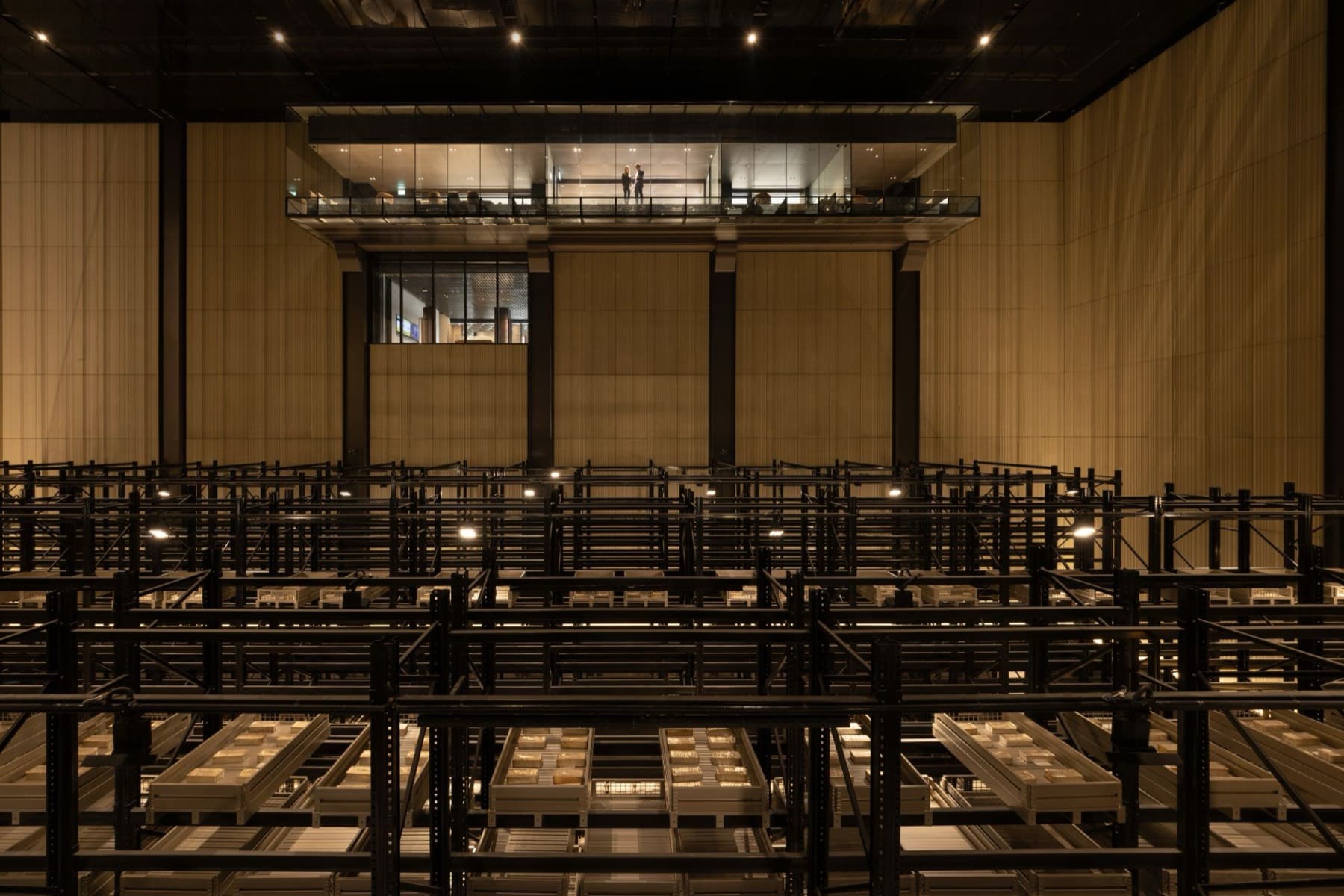
Legal title ownership
Clients own identified bars outright rather than holding a claim. Assets are not on Silver Bullion’s balance sheet, and the metal cannot be borrowed, lent or rehypothecated by third parties — which is what makes encumbrance status mean anything.
Native liquidity & collateralisation
The Safe House operates the vault; Silver Bullion operates trading and a peer-to-peer lending platform. Liquidity and collateralisation are provided natively, without depending on outside parties.
Insurance beyond industry norms
All-risk liability cover through Lloyd’s of London, consistent since 2015 with no loss events, currently USD 2 billion any one loss event. Cover includes third-party theft, inside jobs and mysterious disappearance — the last rarely offered in the industry.
Genuinity guarantee
Should a parcel authenticated and stored under a programme such as S.T.A.R. Storage prove sub-par, Silver Bullion replaces the metal at its own expense, rather than storing on a "said to contain" basis.
Exclusive Singapore jurisdiction
By dispensing with subcontractors, the entire storage chain is subject only to Singapore law.
Who is who
Silver Bullion Group
The parent company. Singapore, since 2009.
The Reserve
The facility. 180,000 sq ft, purpose-built.
The Safe House
The vault inside it, operated by the Group.
Locke Verify™
Tests the metal on intake.
Locke Ledger™
Records what was found, and everything since.
A strong foundation
Three pillars of transparency
What makes a record worth relying on is not that it is published. It is where the data came from, that it cannot be altered afterwards, and that anyone can check it for themselves.
- 01
Data origin guarantee
Event data comes directly from the party responsible for it — tamper-evident RFID tags, read by the vault’s own scanners, during the vault’s own operations. Every event traces back to its origin, with no intermediaries and no reliance on paperwork or an outside system.
- 02
Data immutability
Each event is hashed and broadcast to a public blockchain, and carries the hash of the event before it, which fixes the order. Raw event data is published field by field, so anyone can hash it themselves and confirm it matches what was anchored.
- 03
Public auditability
Records are publicly visible and searchable, which makes anyone a potential auditor and raises the chance that an irregularity is found quickly. Sensitive data is published hashed and salted, so a public audit trail does not have to mean public disclosure.
An independent check, not a self-report
Locke Ledger™ runs in parallel with the vault management system rather than inside it. Two independent systems reconciling against each other give a continuous check that does not depend on either being trusted alone.
Try it
Change a recorded detail. Watch the proof fail.
Edit any field below. The event is re-hashed in your browser, the change propagates up the Merkle tree, and the resulting root is compared against the anchored one. These are real SHA-256 hashes, computed here, not an illustration.
Recorded event · Vault Scan
Merkle path
Event hashes
Paired
Computed root no longer matches the anchored root. The change would be detected.
Transparency is a setting, not a condition.
- Each custodian and counterparty has compartmentalised access to its own records. Participation does not mean disclosure to anyone else.
- Custodians decide, parcel by parcel, whether a record is public or restricted.
- A restricted parcel is hashed and anchored on the same terms as a public one, so it stays independently verifiable to the parties entitled to see it without being visible to the market.
Proof does not require publication.
Parcel record
SB20001671
- Refiner
- Johnson Matthey (JM)
- Silver content
- 15,551.75 grams
- Custodian
- Silver Bullion Pte Ltd (SilverB)
- Utilization
- Locked — GSA
Written on the same terms either way.
Anyone can read this parcel’s record.
A multi-party record, with clear roles.
Vaults, custodians and service providers each log the events they are answerable for. That division is the point: a lender relies on the record rather than on any single party’s word.
Financial institution
Assesses the client and the collateral, sets the terms, and provides the financing.
Silver Bullion / The Safe House
Holds and verifies the bullion, and writes the vault events, under custody controls agreed between the parties.
Locke Ledger
Provides authorised access to the supporting records and any recorded encumbrance.
Before lending against a parcel, an institution might require:
- 01the parcel scanned and recorded by the vault;
- 02the parcel assigned to the institution by the vault, locking it against release;
- 03an independent appraisal by a service provider, confirming the metal is genuine and liquid.
Each of those is an event on the same record, written by the party responsible for it.
Locke Ledger™ does not set your haircut or your LTV. It removes the uncertainty those numbers are currently pricing.
Lending remains subject to the institution’s own assessment and to agreed financing and custody arrangements.
Questions institutions ask
The record
How current is the record?
Real time. Events are written as they occur, rather than compiled into a periodic report.
What creates an event?
Intake, verification, custodian assignment, vault scans, utilisation lock and unlock, and release.
Access and confidentiality
Can we participate without our client holdings becoming public?
Yes. Custodians decide, parcel by parcel, whether a record is public or restricted. A restricted parcel is hashed and anchored on the same terms as a public one.
Who sees what?
Each custodian and counterparty has compartmentalised access to its own records. Participation does not imply disclosure to anyone else.
Encumbrance and release
What happens if a parcel is already pledged?
It carries a utilisation lock, visible in the record before you lend. A locked parcel must be unlocked before it can be released.
Counterparty and jurisdiction
What happens to our collateral if Silver Bullion fails?
Clients own identified bars outright rather than holding a claim, and client assets are not held on Silver Bullion’s balance sheet. They are owners, not creditors.
Does metal held in Singapore face restrictions entering other markets?
Metal in a professionally operated vault remains ownable, verifiable, financeable and tradable. Where a specific market requires assay or verification on entry, that is a condition of that market’s own logistics, applied to all metal entering it regardless of prior custodian.
Is the vault LBMA-accredited?
There is no LBMA vault-accreditation scheme. LBMA accreditation applies to refiners, through the Good Delivery List; the LBMA has confirmed in writing that neither it nor LPMCL approves or accredits vaults.
Start a conversation
What would your institution need to lend against vaulted bullion?
Explore the evidence, the custody controls and the possible arrangements with our team.
Silver Bullion Pte Ltd
We will only use this to arrange a conversation.